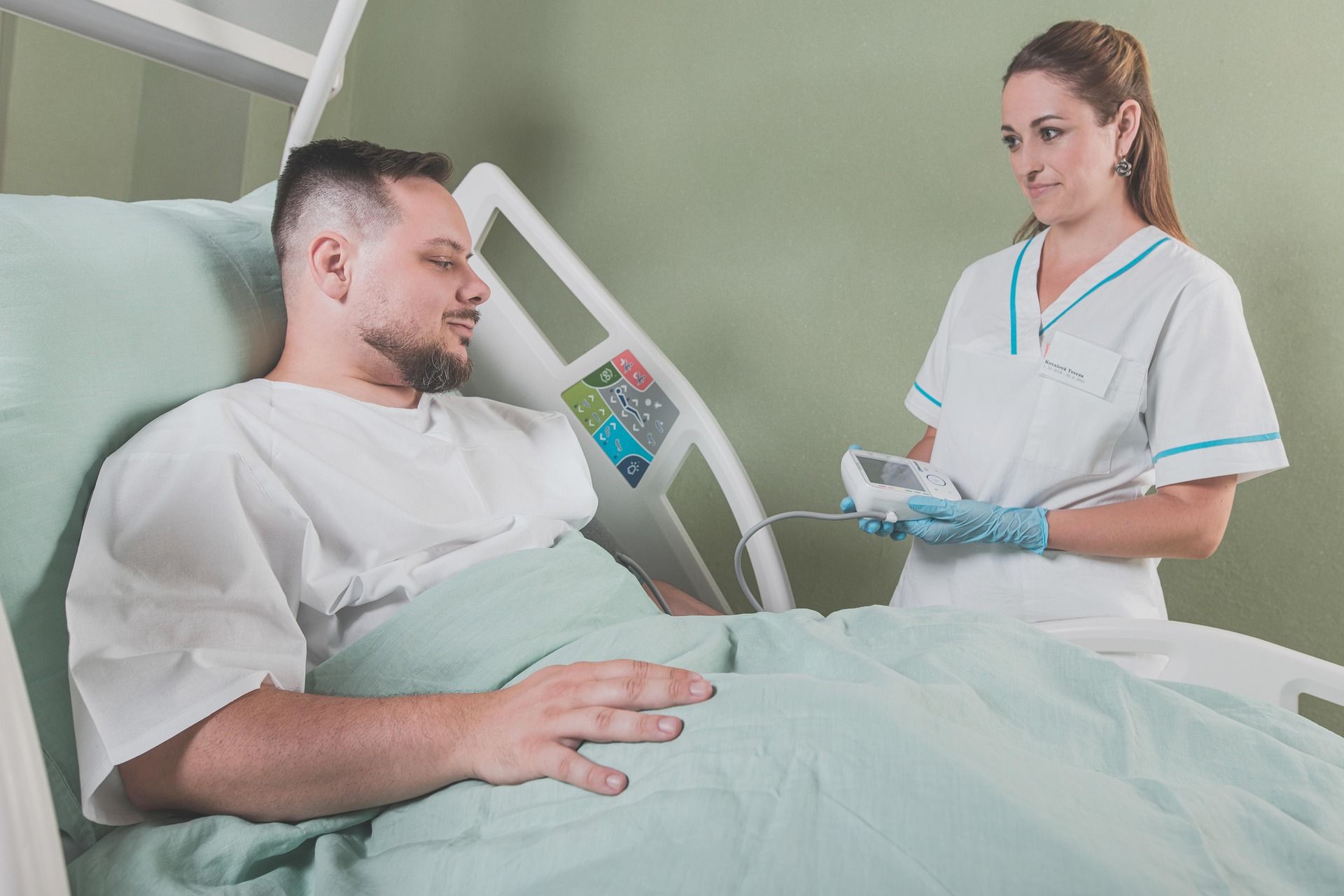
You've studied the NMC process, booked your exams and imagined the first day on your ward. But there's a bigger picture you may not have seen yet. In the UK, a patient doesn't belong to one building. They start with a GP, pass through a hospital, and often finish with a nurse who visits their front room. Each stage depends on the one before it, and each handover is a place where care can either flow or fall apart. The nurses who thrive in the NHS understand this map before they arrive. They know who comes before them, who comes after, and why the note they write at 4 p.m. matters to someone they'll never meet. Follow one patient for one week, and you'll understand the whole system.
Picture an illustrative patient, an older woman with worsening breathlessness. Her story crosses every layer of care that we shall look at together.
Day 1: Primary care
She contacts her GP practice. Most people register with a GP, and the practice is usually the first and most continuous point of contact. The GP assesses her and refers her onward.
Day 3: Secondary care.
Her symptoms worsen, and she arrives at the emergency department. This is hospital based, referral led or emergency care. Nurses here assess, monitor and stabilize. You can browse the full range on the NHS services overview.
2. Learn your trust's referral and discharge pathways in week one.
3. Ask who the community nursing contacts are for your ward.
4. Use the terms primary, secondary and community in your interview answers.
Moving into a new system goes better with a guide. Start with Pinavel to be supported through NMC registration. See you on the other side!
Not Sure Where to Start? We're Here to Help.
Our blog provides insights, but personalized guidance ensures success. Book a consultation with our experts.