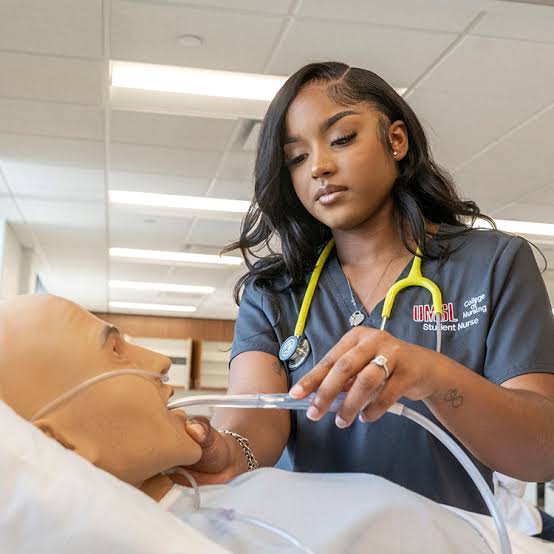
Imagine having just 30 seconds to assess a patient, make a clinical decision, and demonstrate your skills, all while an examiner watches your every move. That's the reality of the OSCE, the final hurdle before NMC registration and the practical exam every internationally educated nurse must pass to practice in the UK.
The (OSCE) Objective Structured Clinical Examination is a practical, simulation based nursing assessment. It is designed to test clinical knowledge in a structured manner and is often considered the gold standard in assessing practical skills.
A nursing OSCE tests clinical knowledge and communication skills, which are vital parts of training to become a nurse.
For internationally educated nurses working towards NMC registration, the OSCE is the final step in the NMC Test of Competence, taken after you've passed the Computer-Based Test (CBT). It's your chance to show that you can put your clinical knowledge into practice, communicate clearly with patients, and deliver safe, effective care in a UK healthcare setting. Passing the OSCE means you've demonstrated the skills needed to practise as a registered nurse in the UK.
The OSCE takes place at an NMC approved test centre in the UK and is made up of a series of timed stations. Each station focuses on a different aspect of nursing practice, so you'll move from one scenario to another scenario, while demonstrating a range of clinical and communication skills.
You will be assessed based on the following criteria:
Every station has a strict time limit, and examiners assess your performance against a standard marking checklist. They don't just check whether you complete the task correctly, but they also want to see that you are able to communicate clearly, act professionally, and put patient safety first throughout.
Here are a few tips on how to pass the OSCE.
Passing both the CBT and the OSCE means that you've successfully completed the NMC Test of Competence. Your results are then added to your NMC registration application. Once your remaining requirements, such as your supporting documents and, where applicable, your Certificate of Sponsorship have been met, you'll be one step closer to joining the NMC register and starting your nursing career in the UK.
Let's face it, the OSCE is one of the most nerve racking parts of the NMC registration journey. The pressure? Completely normal, but the good news is you don't have to go through it alone.
At Pinavel, we support internationally educated nurses every step of the way, not just with forms and documentation, but with the parts that can feel the most overwhelming. Whether you'd like to practise with realistic mock OSCE stations, get feedback that reflects what examiners are looking for, or make sure your documents are ready before exam day, we're here to help.
Our support goes beyond OSCE preparation. We can guide you through eligibility checks, help you manage your application documents, and provide support with the visa process, so you can spend less time worrying about what's next and more time focusing on your goal.
You've already made it through the CBT. You've put in the hours, built your knowledge, and come this far. Now it's time to walk into that OSCE with confidence and show the examiner the capable, compassionate nurse you've worked so hard to become.
If you're ready for a little extra support, chat with a Pinavel consultant today and take the next step towards your NMC registration, with a team that's rooting for you every step of the way. Good luck!
Not Sure Where to Start? We're Here to Help.
Our blog provides insights, but personalized guidance ensures success. Book a consultation with our experts.