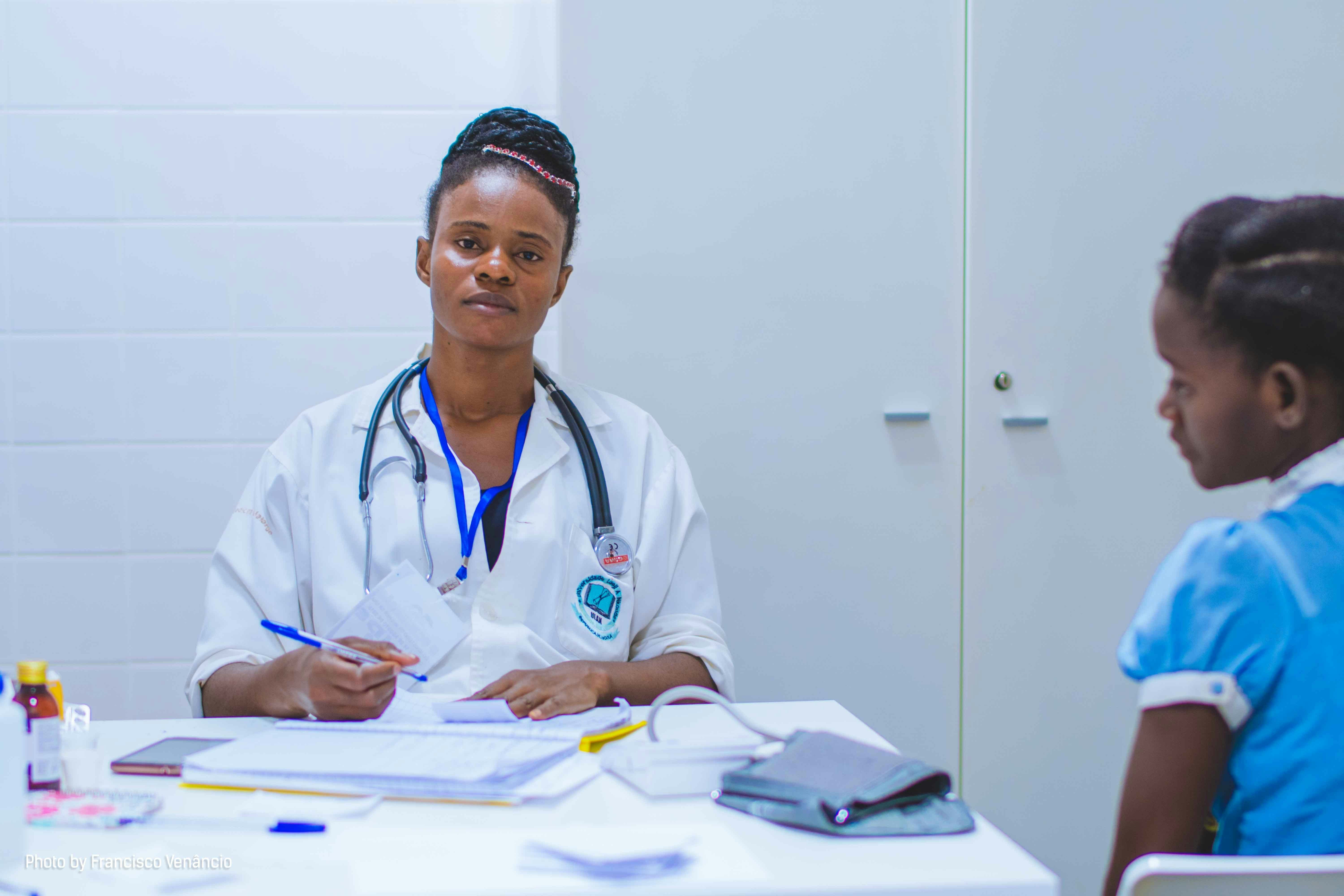
It's 7am on your first shift. You've practised the cannulation, the drug rounds, the handover format, you could do them in your sleep. Then a patient makes a statement and you say ”sorry, could you repeat that?" You've said it three times this morning already, not because you didn't hear, but because the accent, the pace, the slang all blurred together. Your clinical notes are flawless. Your confidence, right now, is not. Clinical skills you can rehearse. Communication style is trickier, because it's cultural, not technical and it's very often where new international nurses feel most exposed on their first NHS shift. Here's what to expect, and how to communicate with confidence from day one.
With Doctors: You're Expected to Have an Opinion.
This is probably the single biggest shift for many international nurses. In some healthcare systems, nurses are trained to simply follow doctors' instructions without offering clinical opinions. In the UK, doctors genuinely expect nurses to think independently and speak up "does this patient need a stronger painkiller?", "do you think we should review this medication?" are the kinds of questions doctors routinely put directly to nurses, expecting a considered clinical answer, not just compliance. Nurses who build confidence advocating for their patients with doctors consistently report better working relationships and higher job satisfaction as a result.
Use SBAR When Escalating or Handing Over.
SBAR : Situation, Background, Assessment, Recommendation, is the structured communication tool used across the NHS for handover and for raising a concern with a doctor. It exists specifically to level the traditional hierarchy between doctors and nurses, giving everyone a shared, predictable format regardless of seniority. A strong SBAR call sounds like: "This is [your name], staff nurse on [ward]. I'm calling about [patient], who has a history of hypertension. Their blood pressure is currently 180/110. I'd recommend reviewing their antihypertensive medication." Clear, structured, and confident, not tentative or apologetic.
Directness Is Heard as Professionalism, Not Rudeness.
If your training encouraged softening concerns to avoid seeming confrontational, this is worth unlearning early. On a UK ward, stating a problem plainly, "this order doesn't match the latest labs" is heard as clear and professional. Over-softening a genuine concern can actually bury the message and create real safety risk, which is the opposite of what politeness is meant to achieve here.
With Patients: Expect a Two Way Conversation.
UK healthcare culture places real weight on patient autonomy, patients expect to be kept informed and actively involved in decisions about their own care, rather than simply told what will happen to them. Speak clearly, at a natural pace and volume, it's better to speak fluidly with the occasional error than to slow your speech down so much it feels unnatural. Always check understanding directly, "does that make sense?" or "would you like me to go through that again?" is completely normal and expected, not a sign you've explained something poorly.
Small Talk and Break Room Banter Matter More Than You'd Think.
Clinical competence earns respect on a UK ward, but the small, human moments like chatting in the break room, handover banter, a shared laugh over a cup of tea are genuinely where a lot of team belonging gets built. Don't dismiss this as unimportant fluff. Showing warmth alongside your clinical skill is part of how UK teams come to trust a new colleague quickly.
Speaking Up Is Never Out of Line.
Whatever your position on the ward, if something feels clinically wrong, the expectation across the NHS is that you say so, through SBAR, through your escalation chain, whichever fits the moment. Modern NHS culture actively trains staff that the newest, most junior person on the team can and must raise a safety concern, even to the most senior doctor present. Hierarchy exists here, but it was never designed to silence patient safety.
None of this needs to click perfectly on day one. Watching how your UK trained colleagues manage conversations with each other and with patients and simply asking direct questions when you're unsure of the norm will get you there faster than you'd expect.
If you're still working toward landing your first NHS role, getting your application right is where this whole journey starts and Pinavel supports internationally educated nurses through NMC registration, OSCE preparation and the wider transition into UK nursing life, helping you walk onto that first ward genuinely ready to communicate, not just clinically qualified to be there. Speak clearly, advocate for your patients, and trust that your voice belongs in that room. It really does. Good luck!
Not Sure Where to Start? We're Here to Help.
Our blog provides insights, but personalized guidance ensures success. Book a consultation with our experts.